 US Dollars

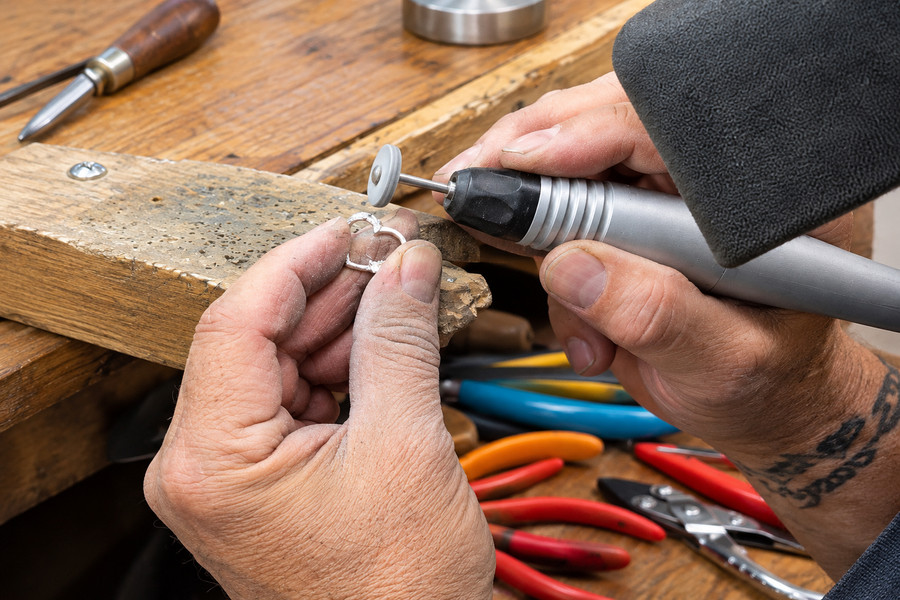
The word "silversmith" gets used loosely. It appears on websites, in brand descriptions, in casual conversation about anyone who makes jewelry. But the craft it describes is anything but casual — and understanding what it actually means changes the way you see the pieces you wear.
A Craft Measured in Years
Silversmithing is the art of transforming raw silver into functional and decorative objects — jewelry, vessels, ceremonial pieces — through techniques that have been refined over thousands of years. But knowing the definition is different from knowing the craft. Becoming a true silversmith takes years of apprenticeship, practiced skill, and a willingness to fail repeatedly before the metal does what you intend.
What Silversmiths Actually Do
A silversmith works primarily with silver, making jewelry and other objects using techniques such as soldering, casting, polishing, and engraving. In practice, this means:
Forging and shaping. Silver is heated until it becomes malleable but not molten — a state that allows the silversmith to hammer and stretch the metal into new forms without cracking. This is painstaking, physical work that requires knowing the metal's behavior intimately.
Sawing and piercing. Flat sheets of silver are cut into precise shapes using a jeweler's saw — a blade so fine it can capture intricate detail, but so delicate it breaks easily. Patience is not optional.
Soldering. Joining separate silver components — a bail to a pendant, a finding to a setting — requires controlled heat, flux, and a practiced hand. Too much heat and the piece warps or melts. Too little and the joint fails.
Finishing. Silversmiths also work with engravers and polishers to bring a piece to its final surface. The difference between a well-finished piece and a poorly finished one is visible immediately — and felt in the hand.
The Lost Wax Process
Many of our pieces at Breakell begin not with metal but with wax. Our silversmiths have long guided each design from initial sketch through a 3D wax model — a process that allows every curve and detail to be refined before a drop of silver is ever poured. In lost wax casting, the wax model is set inside a steel flask and covered with a plaster solution; once set, the wax is burned away and liquid metal is poured into the resulting mold. The casting that emerges is then finished by hand — filed, polished, and inspected before it ever leaves the workshop.
Why It Matters
Throughout history, silversmiths have held esteemed positions in society, crafting items that signify wealth, status, and cultural identity. But the reason handmade silversmithing still matters today isn't about status. It's about the difference between an object and a piece of art.
A mass-produced pendant is stamped out of a machine in seconds. A handcrafted one carries the decisions, the adjustments, and the judgment of a skilled person at every stage. That's not nostalgia — it's a material difference in what you're holding.
Explore our handcrafted sterling silver and 14k gold collection at breakell.com.
