 US Dollars

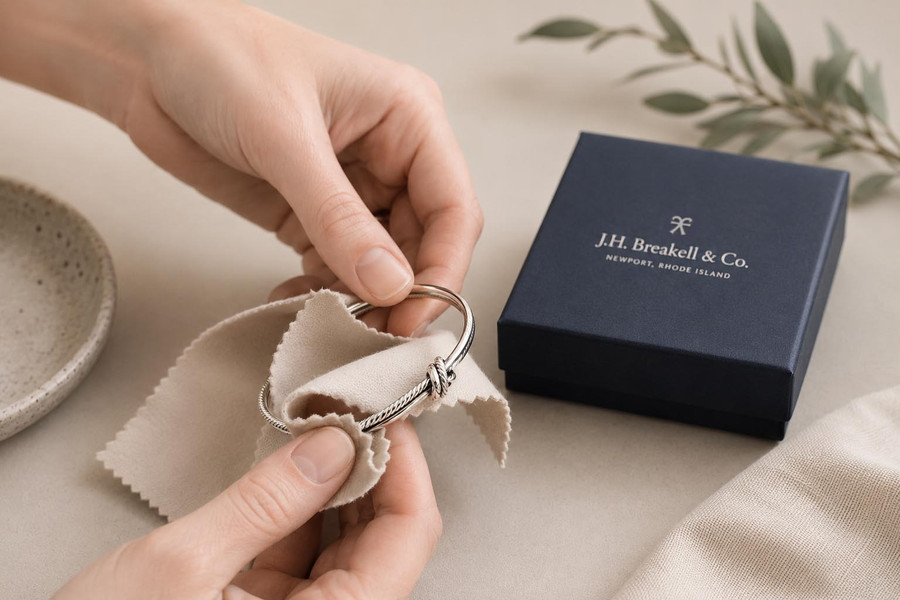
Fine jewelry is more than an accessory — it’s an investment, a memory, and sometimes a piece of family history. Whether you’ve just received a handcrafted gift, treated yourself to something special, or inherited a treasured heirloom, knowing how to care for your jewelry properly can mean the difference between a piece that sparkles for decades and one that fades far too soon.
The good news? Caring for fine jewelry doesn’t require a lot of time or expensive products. It mostly comes down to a few simple habits and knowing what to avoid. Here’s everything you need to know.
1. Understand What Your Jewelry Is Made Of
Not all jewelry care is one-size-fits-all. The best starting point is understanding your piece’s materials, because different metals and gemstones have different needs.
- Gold (10K, 14K, 18K): Durable and resistant to tarnish, but softer at higher karats. Higher-karat gold scratches more easily and needs gentle handling.
- Sterling Silver: Beautiful but prone to tarnishing when exposed to air and moisture. Regular gentle cleaning keeps it bright.
- Platinum: Extremely durable and tarnish-resistant, but develops a natural patina over time. Many wearers love this look; others prefer to have it polished.
- Gemstones: Diamonds are the hardest natural material, but softer stones like opals, pearls, and turquoise require extra care and should never be exposed to harsh chemicals.
When in doubt, ask your jeweler. A good artisan jeweler will always be happy to walk you through the specific care needs of your piece.
2. Clean Your Jewelry Regularly — But Gently
Regular cleaning keeps jewelry looking its best and prevents the buildup of oils, lotions, and everyday grime that can dull even the most brilliant stone. Here’s a simple at-home cleaning routine that works for most fine metal jewelry:
- Fill a small bowl with warm (not hot) water and a drop of mild dish soap.
- Soak the piece for 10–15 minutes to loosen buildup.
- Use a soft-bristled toothbrush to gently scrub around settings, prongs, and crevices.
- Rinse thoroughly under warm running water.
- Pat dry with a soft, lint-free cloth and allow to air dry completely before storing.
What to avoid: Ultrasonic cleaners, bleach, chlorine, toothpaste, and abrasive cloths can all damage fine jewelry. Pearls, opals, emeralds, and other porous or soft stones should never be soaked — simply wipe them gently with a damp cloth.
3. Store It Properly
How you store your jewelry when you’re not wearing it has a huge impact on its longevity. Here are the key rules:
- Store pieces separately. Jewelry can scratch other jewelry. Use individual pouches, compartments, or soft lined boxes to keep pieces from rubbing against each other.
- Keep it away from humidity. Bathrooms are a common storage spot, but the heat and moisture from showers accelerate tarnishing and can loosen settings over time. A bedroom dresser or closet is a better choice.
- Use anti-tarnish strips. If you store silver jewelry, placing an anti-tarnish strip in your jewelry box can significantly slow the tarnishing process.
- Hang necklaces and chains. Storing chains flat or tangled together leads to knots and kinks. A simple wall-mounted hook or standing jewelry holder keeps them clear and tangle-free.
4. Know When to Take It Off
One of the simplest ways to extend the life of your jewelry is knowing when not to wear it. Make it a habit to remove your jewelry before:
- Swimming. Chlorine in pools and salt in the ocean are both damaging to metals and can erode prong settings, loosening stones over time.
- Applying beauty products. Hairspray, perfume, lotion, and makeup can all leave a film on jewelry that dulls its appearance. The rule of thumb: jewelry goes on last, comes off first.
- Exercising or doing physical work. Impact, sweat, and repeated stress can bend prongs, scratch metals, and stress delicate settings.
- Cleaning or gardening. Household cleaners — even mild ones — can be harsh on metals and stones. Soil and grit can scratch softer metals.
5. Schedule Professional Check-Ups
Even with perfect at-home care, fine jewelry benefits from a professional inspection once a year — especially pieces you wear daily, like engagement rings or cherished bracelets.
A professional jeweler will check for:
- Loose or worn prongs that could allow a stone to fall out
- Worn clasps or hinges on bracelets and necklaces
- Cracks, chips, or abrasions in gemstones
- Metal thinning or stress fractures in rings from repeated wear
Catching these issues early is almost always less expensive than repairing a piece after something goes wrong - like losing a stone. Many local jewelers, including our studio, offer complimentary inspections for pieces purchased from us.
6. Special Care for Handmade & Artisan Pieces
Handmade jewelry often has design details — textured surfaces, mixed metals, organic shapes, or hand-set stones — that require a little extra thought when cleaning and storing.
- Textured or hammered surfaces: These can trap residue more than smooth surfaces. A soft brush is your best friend for getting into the details without scratching.
- Mixed metal pieces: Some artisan jewelry combines gold, silver, or copper in the same piece. Clean gently and avoid chemical polishes, which may react differently with each metal.
- Intentional patina: Some handmade pieces have a deliberately darkened finish (called a patina) as part of the design. Aggressive cleaning can remove this intentional detail. Ask your jeweler before cleaning if you’re unsure.
When in doubt, reach out to the jeweler who made the piece. They know their work best and can give you personalized care advice that generic guides can’t.
Quick Reference: Fine Jewelry Care Do’s & Don’ts
DO’s:
- Clean regularly with mild soap and warm water
- Store pieces separately in soft pouches or lined compartments
- Remove jewelry before swimming, exercising, or cleaning
- Schedule annual professional inspections
- Ask your jeweler about the specific needs of your piece
DON’Ts:
- Use bleach, chlorine, or abrasive cleaners
- Store jewelry in the bathroom or in humid environments
- Apply perfume, lotion, or hairspray while wearing jewelry
- Soak pearls, opals, or porous gemstones in water
- Use ultrasonic cleaners without checking with your jeweler first
We’re Here to Help Your Jewelry Last a Lifetime
At our studio JH Breakell & Co., we stand behind every piece we create. If you ever have questions about caring for your jewelry, notice something that doesn’t look quite right, or just want a professional clean and polish, we’re always happy to help.
Stop by our shop or reach out online — because jewelry this beautiful deserves to be enjoyed for generations.
